
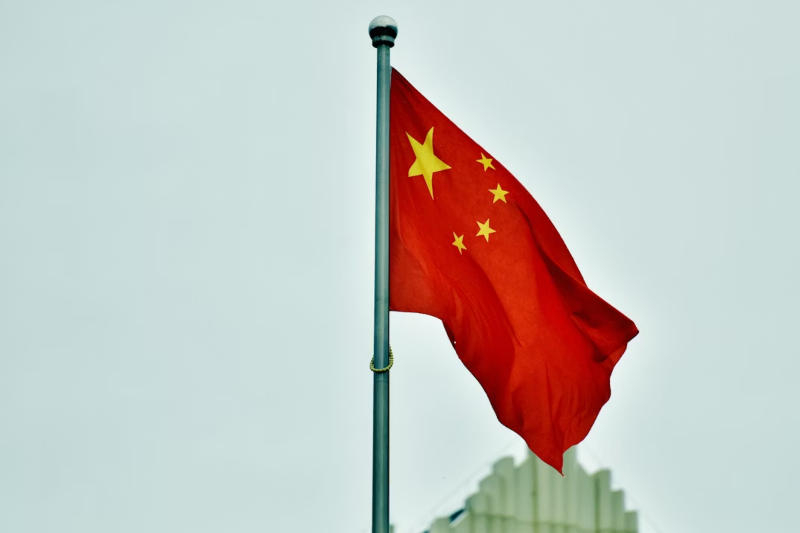
China and the United States have not completed major technology deals, leading to a sell-off of semiconductor manufacturers' stocks
Brief overview of events
Following the visit of U.S. President Donald Trump and Chinese Communist Party Chairman Xi Jinping to Beijing, shares of leading global semiconductor manufacturers fell sharply. Neither country concluded major chip deals, and a breakthrough in Nvidia’s supply to China did not occur.
What happened
* Export control
Washington allowed Nvidia to export its H200 AI accelerators to China. However, Beijing never approved their delivery, stating an intention to develop its own technology.
* High expectations for the visit
Trump’s delegation included Elon Musk (Tesla) and Tim Cook (Apple), as well as Nvidia CEO Jensen Huang. Investors expected concrete news on semiconductor cooperation, but U.S. trade representative Jameson Grier said that Nvidia matters were not on the summit agenda.
Market consequences
Company Share decline
Nvidia –4 %
Intel –6 %
AMD –4 %
SK hynix (memory supplier for Nvidia) –7.7 %
STMicroelectronics (Apple, Tesla, SpaceX) –5.4 %
Infineon Technologies –5.5 %
ASML (chip‑making equipment) –5 %
In recent weeks the semiconductor market had been rising: investors were putting money into companies servicing data centers and AI technologies. A success example was the IPO of young AI accelerator maker Cerebras, whose shares jumped 68 % on their first day of trading.
Why the U.S. limits exports
Washington justifies restrictions by saying it does not want China to use advanced semiconductors for military purposes or make a leap in AI development. Beijing, in turn, is betting on its own equipment production.
Trump noted: “The United States allowed Nvidia to export H200, but China decided not to do so and intends to develop its own solutions.” Grier emphasized that China often views American high‑tech products as a threat, so the decision on further technology development rests with the country itself.
Conclusion:
The visit of Trump and Xi did not lead to the expected growth in the semiconductor sector. Shares of key players fell, and China continues to pursue independence in producing AI and military chips.
 Asted Cloud
Comments (0)
Share your thoughts — please be polite and stay on topic.
Log in to comment