
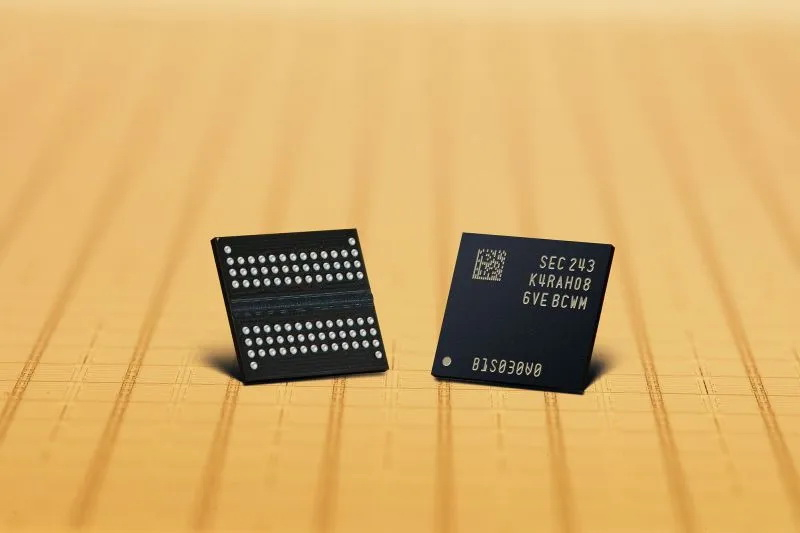
AI consumes all memory resources, experts predict a further 60 % rise in DRAM prices
Brief overview of the DRAM situation in 2024
What happened and how it has affected the memory shortage caused by rising demand for AI. Prices for standard DRAM almost doubled in Q1. Price increases continue this quarter. TrendForce forecast: prices could rise by more than 50 %.
Why prices are rising
1. Demand exceeds supply
- Suppliers must redirect new capacity to produce high‑performance RDIMM modules needed for AI servers.
- This limits memory availability for regular PCs and smartphones.
2. Persistently low inventories
- Even after launching new production lines (e.g., Micron in Manassas) stocks remain scarce until 2030, according to SK hynix.
3. Hyper‑scalers as “price leaders”
- Large cloud companies are willing to pay more for memory to secure supplies.
- This forces other customers to follow suit, leaving ordinary consumers at a disadvantage.
What analysts say
Position Details TrendForce In the coming months DRAM prices will keep rising (58–63 % this quarter). Further decline is possible only if production capacity for consumer chips expands or demand for high‑performance AI modules falls. Samsung, SK hynix, Micron The priority remains HBM (high‑density memory), not standard DRAM.
New plans to increase production
- SK hynix
- Announced plans to double wafer volume over five years, but growth will be gradual. Shortage may persist until 2030.
- Micron
- Started DRAM production in Manassas, Virginia.
- A second plant in Idaho is expected to start mid‑2027, with full operation of new capacity in 2027–2028.
Additional factors
- Staffing issues
At the end of May Samsung Electronics ended a major strike after agreeing on profit sharing for employees. This helped avoid potential disruptions that could have worsened the shortage.
- Taiwanese manufacturers
Nanya, Winbond and PSMC continue to produce DRAM at mature technology nodes to fill gaps left by leading suppliers moving to more advanced processes. PSMC is expected to expand capacity aggressively.
Conclusion
- Prices: almost double in Q1 and may rise another 50 %+ this quarter.
- Supply: remains limited due to resource reallocation to AI modules.
- Outlook: long‑term improvement is possible only with significant expansion of consumer chip production or a drop in demand for high‑performance AI memory.
 Asted Cloud
Comments (0)
Share your thoughts — please be polite and stay on topic.
Log in to comment