
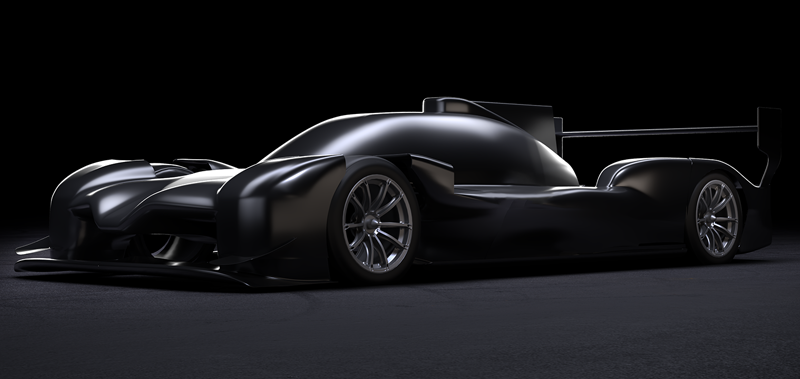
IBM AI and quantum computers will take over the aerodynamics of Dallara racing cars
IBM + Dallara: A New Approach to Hypercar Aerodynamics
The leading race car manufacturer Dallara and technology giant IBM have announced a joint project aimed at completely rethinking the development of hypercar aerodynamics. The plan is to create a “physical” AI that will work in tandem with quantum computers to reduce development time from days to minutes.
What Brings the Partners Together
* Dallara – 50 years of experience designing cars for IndyCar and other series.
* IBM – expertise in artificial intelligence and quantum computing.
The key task is to develop new physical base models of AI capable of radically accelerating and improving the aerodynamic design process.
Why It Matters
Traditional CFD analyses (computational fluid dynamics) provide high accuracy but require massive resources:
* One configuration can take hours.
* The full development cycle takes weeks.
IBM is developing specialized AI models trained on verified CFD data and Dallara’s technical information. These models predict aerodynamic characteristics (downforce, drag, stability) directly from geometry without fully modeling each version.
Results of Initial Tests
* In a test of the rear diffuser for an LMP2:
* Traditional CFD analysis – several hours.
* New AI model – ~10 seconds, with accuracy comparable to CFD.
* When working with hundreds of configurations, acceleration can turn days into minutes, allowing engineers to quickly weed out inefficient options and focus on promising ones.
Future Steps
Partners are exploring the integration of quantum and hybrid quantum-classical computing for further accuracy gains. In the future, models will be supplemented with real data from wind tunnels and race tracks.
Why It Matters Beyond Motorsport
Reducing drag by even 1–2 % can significantly save fuel in passenger transport and aviation. Therefore, the technology’s potential extends far beyond racing.
New scientific results have already been presented at a specialized conference, and the team expects practical outcomes both on roads and in the air.
 Asted Cloud
Comments (0)
Share your thoughts — please be polite and stay on topic.
Log in to comment