
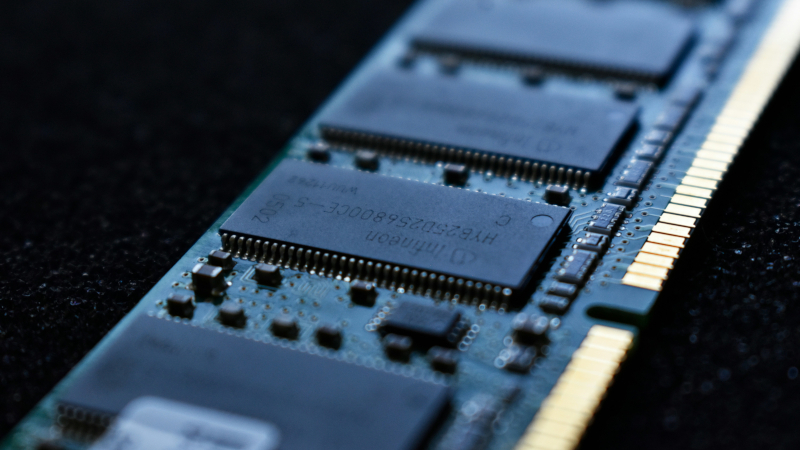
Prices for memory sometimes fell, but the market does not normalize until 2030.
Brief on the memory and storage market situation
In Europe, China, and the United States a price “plateau” is observed – prices have stabilized, and in some segments have even fallen. This is not a signal of the end of the shortage caused by rising demand from AI data centers, but rather a result of local pressure from excess inventories and buyer caution.
1. Why prices are only “fluctuating” now
* AI data centers – the largest buyers of memory – continue to buy up all available raw material, leaving almost nothing for the consumer segment. Therefore RAM, ready‑to‑use PCs, gaming consoles, phones, and even SD cards become more expensive.
* In the last one or two months price growth has slowed: in Europe and China prices are leveling out, while in the United States a slight decline is observed.
* A local effect is at work – manufacturers and distributors overvalued the goods and now slightly adjust prices. Resellers who had inflated prices above market levels are forced to lower them.
2. What analysts say
Analyst Conclusion Tom Mainelli (IDC) Prices for some items have exceeded a sustainable level; a short‑term pullback is possible, but normalization is still far away. Patrick Moorhead (Moor Insights & Strategy) A large price reversal in the next year is unlikely. Building new memory factories takes 3–4 years, and manufacturers’ profitability has been negative since 2022‑23 – when OpenAI launched ChatGPT. Overall assessment For HBM (data‑center memory) almost four times more chips are needed than for regular DRAM. Improvement is expected only by Q4 2027; full normalization by 2030.
3. Current regional trends
Region Price condition Europe Leveling, slight decline in some countries. China Local manufacturers (Samsung, SK Hynix, Micron) stabilize prices; a drop follows the peak. United States Plateau of prices, but some segments are already falling.
4. How this affects consumers
* Consumer devices – Microsoft, ASUS, Lenovo, Samsung and Motorola either raise prices on already released models or announce new ones at higher prices.
* Apple continues to use “buyer alarm”: MacBook Neo (8 GB RAM) costs $600, and iPhone‑like devices with a reworked processor sustain demand.
* Gaming consoles – Xbox and PlayStation with outdated hardware have sharply increased in price after five years, unprecedented in industry history. Meta raised the price of its VR headset Quest.
5. Why the market remains unstable
1. Demand for data centers is declining – many plans to build new centers are cancelled or frozen due to power grid constraints, rising tariffs and environmental requirements.
2. Investors fear an AI bubble, which slows investment in expanding memory production.
3. Periodic price “drops” are explained by resellers previously overpricing above market levels and now correcting them to more realistic values.
Conclusion
At present the RAM and storage market is in a stabilization phase: prices do not fall sharply but also do not rise. A modest decline is expected only by 2026, with full normalization only by 2030. Consumers should expect further price increases on new devices while manufacturers continue to adjust their strategies in response to changing demand and investment uncertainty.
 Asted Cloud
Comments (0)
Share your thoughts — please be polite and stay on topic.
Log in to comment