
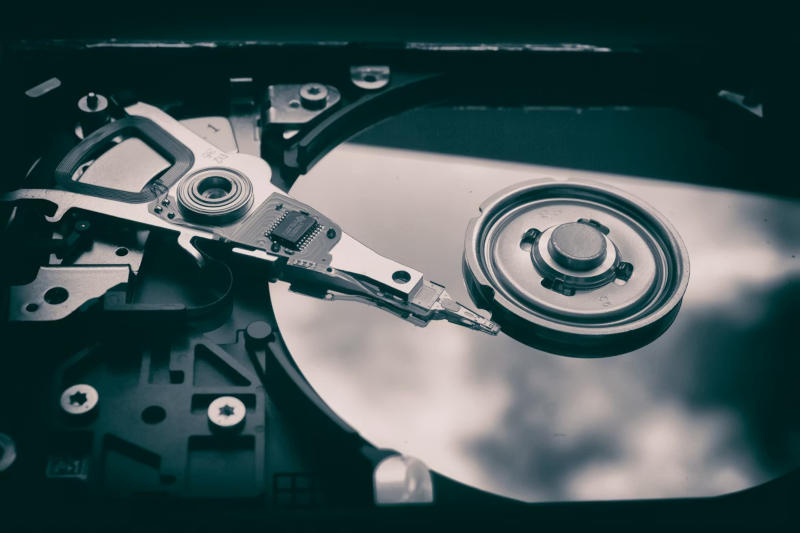
The complexities of archiving on the network are increasing: Wayback Machine and Wikimedia are running out of HDD space
Data storage crisis: how rising prices for drives are slowing the largest archival projects
Storage devices are becoming more expensive and scarce, which complicates the work of organizations that daily preserve massive amounts of information from the internet.
1. Why prices are rising
* Hard drives (HDD) now cost three times their previous level.
* Increased demand from large corporations and cloud providers forced manufacturers to cut supplies, leading to a shortage.
2. How this affects Internet Archive
Metric Value Storage volume ~210 PB Daily data flow (Wayback Machine) ~100 TB
* Artificial intelligence has increased the load: models are trained on huge datasets that often come from archives.
* Ideal drives—28–30 TB HDDs—are almost never available for purchase or are priced excessively.
* The organization is forced to seek sponsors and only receives advice from the community.
3. Wikimedia problems
* The platform hosts over 65 million articles, requiring significant computing resources and a carefully distributed budget.
* Difficulties arise with:
* Purchasing memory and drives;
* Delivering servers;
* Planning future orders.
4. Complicating archiving
* Large AI language models use massive datasets that are sometimes obtained illegally.
* Site owners block access to their resources without distinguishing between “malicious actors” and “good‑faith services” collecting data for education.
* As a result:
* Small enthusiasts must cut back or suspend operations;
* Awaiting stabilization of drive prices.
Conclusion
The rising cost and shortage of HDDs create serious barriers for non‑profit archives. Without new funding sources and more affordable technologies, preserving the history of the internet may become practically impossible.
 Asted Cloud
Comments (0)
Share your thoughts — please be polite and stay on topic.
Log in to comment